The Hagia Sophia is breathtaking at any time of day, but seeing it during sunset or night adds an entirely new dimension to the experience. Whether you’re a photographer, a history lover, or simply someone who wants to feel the soul of Istanbul, the time you visit can transform the way you see this timeless landmark. So which is better, sunset or night? Let’s explore both options before you decide.
Visiting Hagia Sophia at Sunset
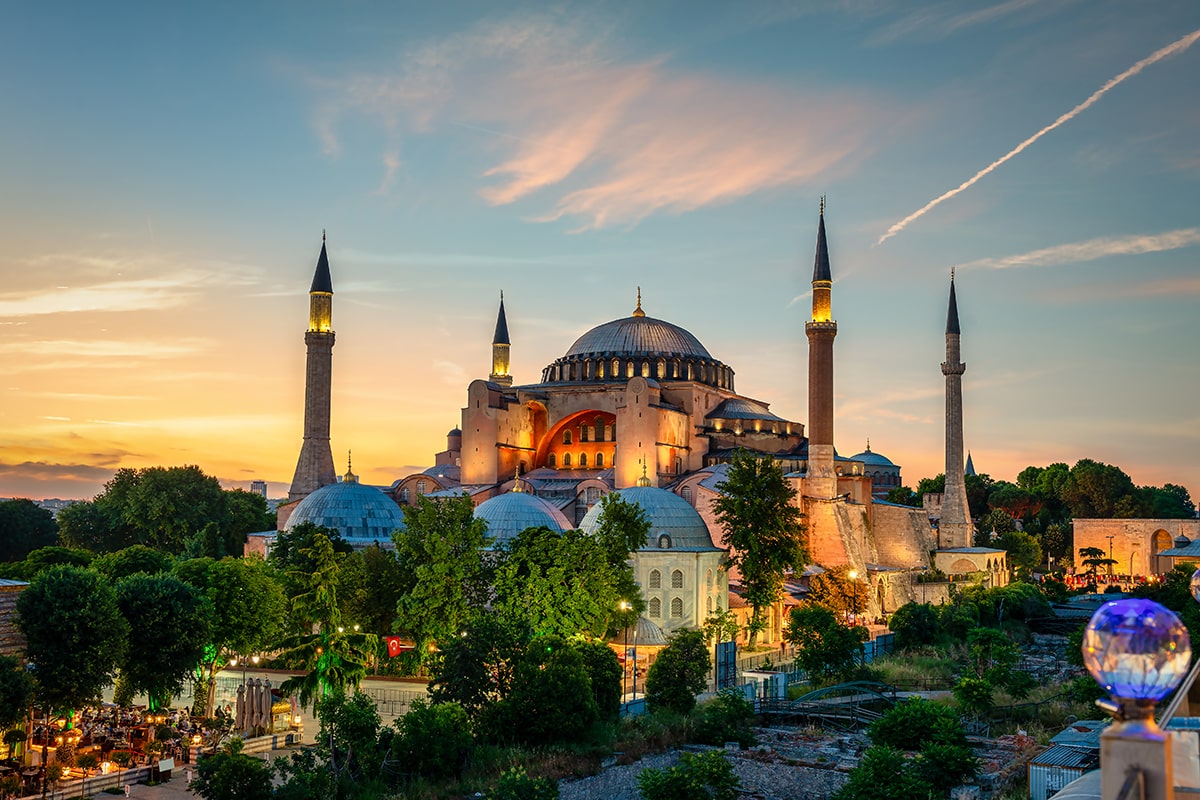
As the sun begins to set behind the minarets, Hagia Sophia glows in warm shades of gold and crimson. This is when the building truly comes alive under natural light. The soft rays reflect off its brick walls and marble surfaces, creating a magical, almost ethereal atmosphere. The dome seems to shimmer, and shadows stretch across Sultanahmet Square, giving photographers endless opportunities for dynamic shots.
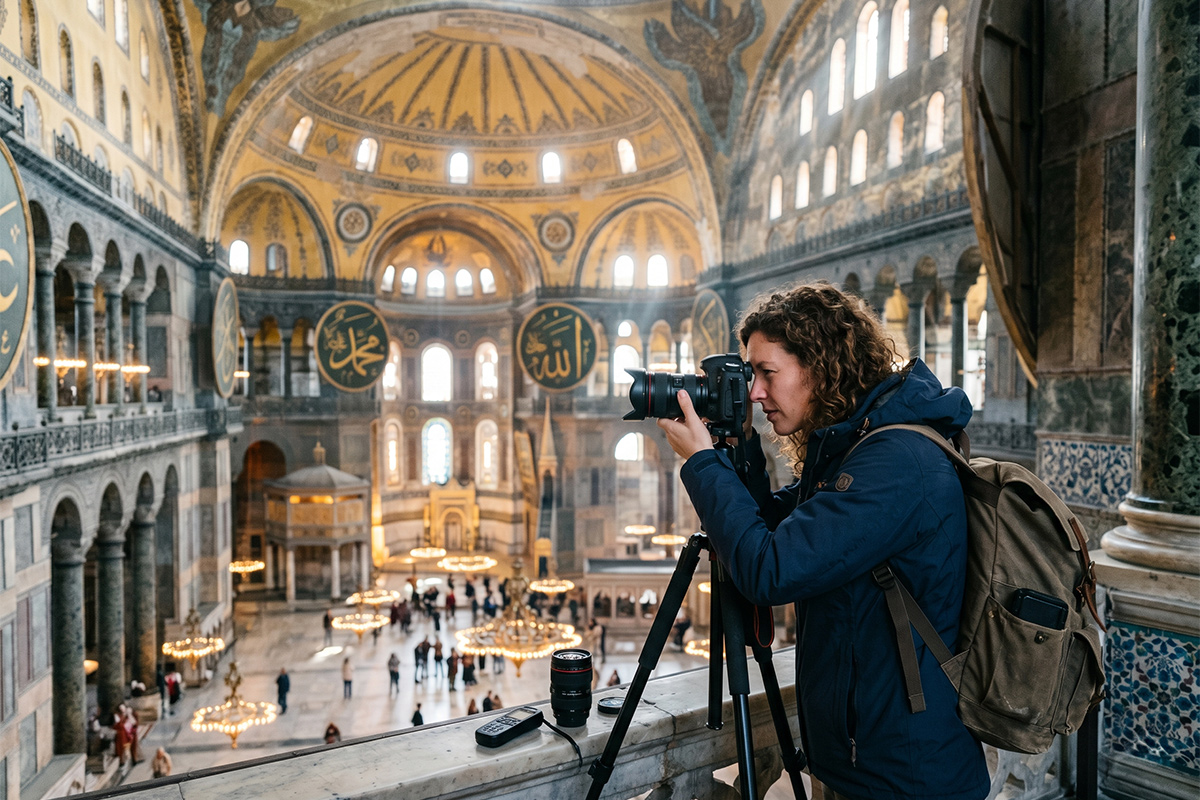
Best Photo Spots: Capture Hagia Sophia from Sultanahmet Square for a full façade view, or from the terrace of the Seven Hills Hotel for a panoramic skyline composition that includes the Blue Mosque and the Bosphorus.
- Ideal lighting for warm, golden photography.
- Fewer crowds than midday, especially after 5:30 PM.
- Perfect for combining your visit with a stroll through Basilica Cistern or Topkapi Palace earlier in the day.
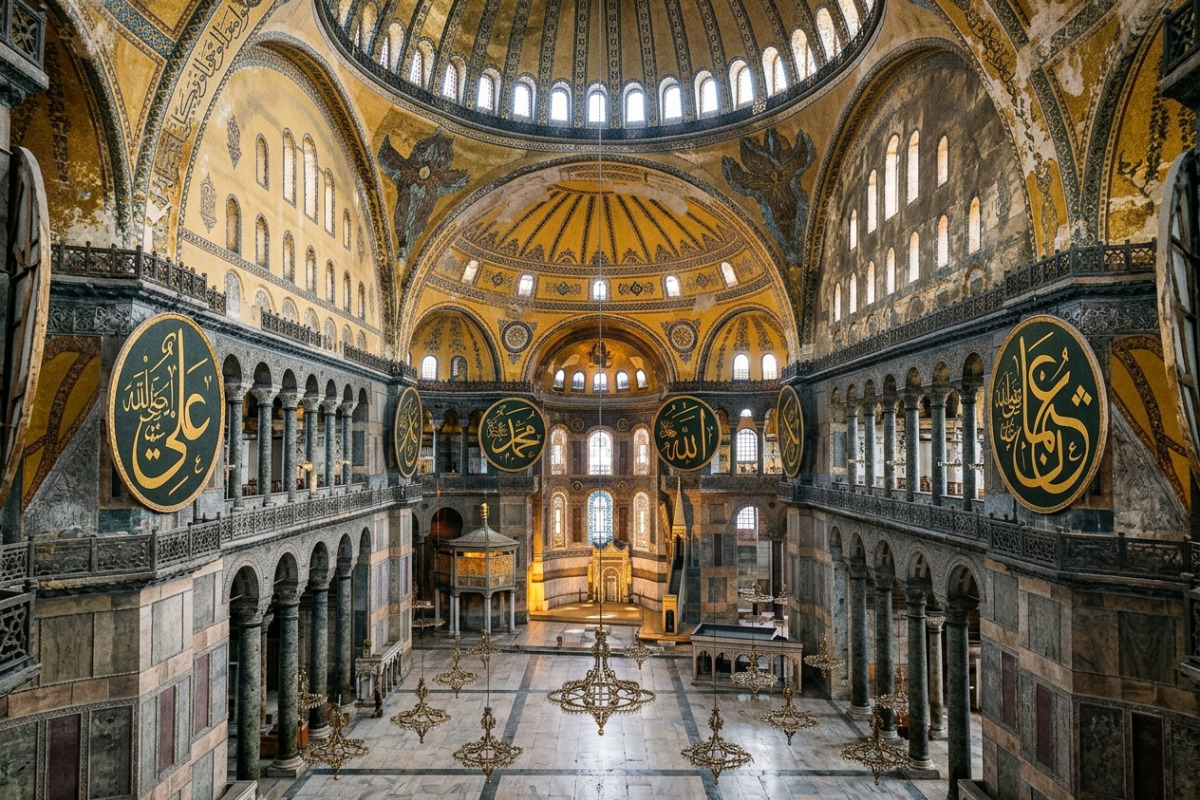
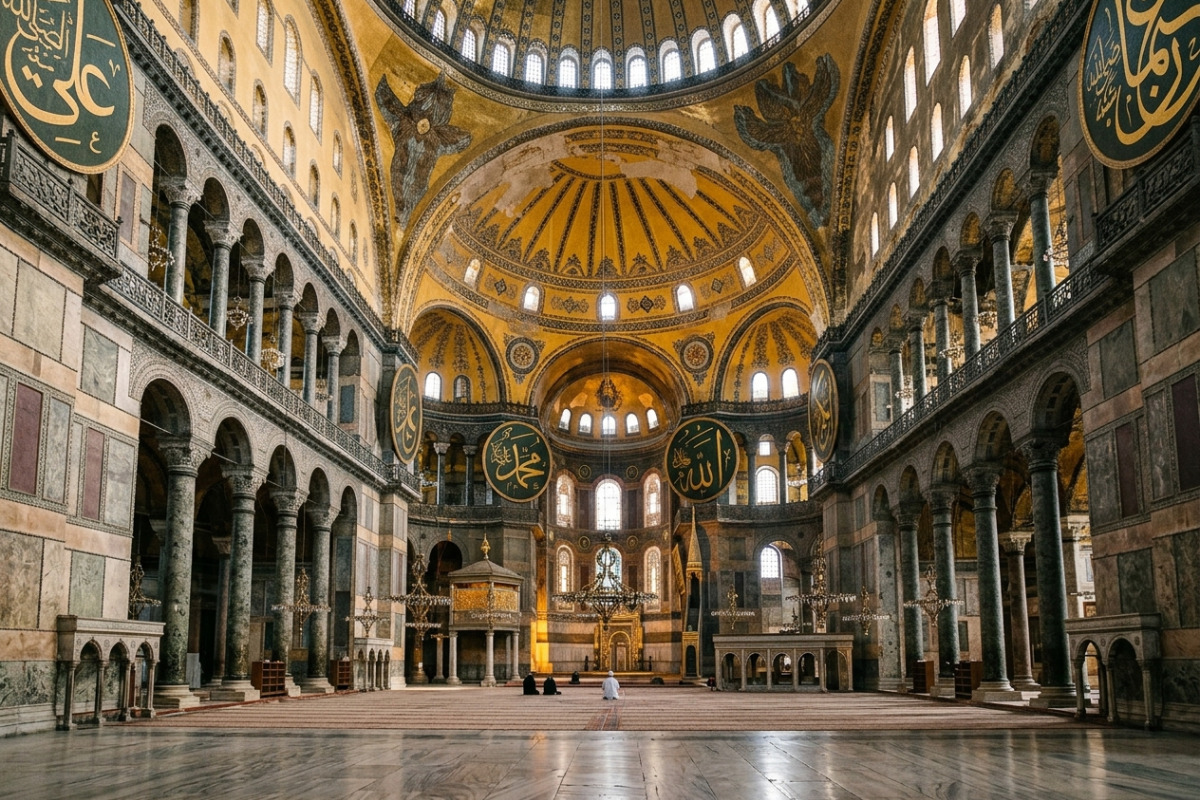
Inside the mosque, the natural light filtering through the windows creates a soft, divine glow, ideal for peaceful contemplation or artistic interior shots. However, note that during winter, sunset occurs as early as 5:00 PM, so plan your arrival accordingly.
Visiting Hagia Sophia at Night
When night falls, Hagia Sophia transforms into a glowing beacon of serenity. The monument is beautifully illuminated by floodlights that highlight its domes, arches, and minarets against the dark sky. The reflection of light on the marble courtyard adds a dreamlike quality, and the surrounding area becomes much quieter, perfect for travelers who prefer tranquility over crowds.
Best Photo Spots: Stand by the Fountain of Ahmed III to capture Hagia Sophia glowing softly in the night. Alternatively, shoot from the Blue Mosque courtyard to frame both monuments under the stars.
- Peaceful atmosphere and minimal tourist traffic.
- Ideal for long-exposure photography and reflection shots.
- Nearby cafés and tea houses remain open late, offering beautiful night views.
However, note that the interior of Hagia Sophia usually closes around 6:00 PM, so nighttime visits are limited to exterior views. Still, the monument’s illuminated silhouette against Istanbul’s skyline makes it worth returning after dark.
Comparing the Two Experiences
| Aspect | Sunset Visit | Night Visit |
| Lighting | Natural golden tones, ideal for photography. | Artificial illumination highlighting domes and minarets. |
| Atmosphere | Warm, lively, filled with evening prayers and movement. | Quiet, romantic, and contemplative. |
| Access | Interior open until evening; best for full exploration. | Exterior views only; perfect for skyline shots. |
| Photography | Golden hour light, deep contrasts, and soft colors. | Dramatic, moody shots under artificial lighting. |
The Perfect Plan
If your schedule allows, the best approach is to visit both. Arrive around 4:30 PM to explore the interior before sunset, then stay in the area as the sky darkens to witness Hagia Sophia’s illuminated majesty. You can enjoy dinner at a nearby terrace restaurant overlooking Sultanahmet and take your final photos when the crowds disperse.
Final Thoughts
Whether you choose sunset for its golden radiance or night for its tranquil glow, Hagia Sophia promises an unforgettable experience. Sunset is ideal for those who want to admire the architecture up close and take rich, warm photos. Nighttime, on the other hand, is perfect for quiet reflection and breathtaking cityscapes. In truth, each offers its own kind of magic and the real secret may be to enjoy both moments of the day, letting Istanbul show you two faces of the same eternal wonder.